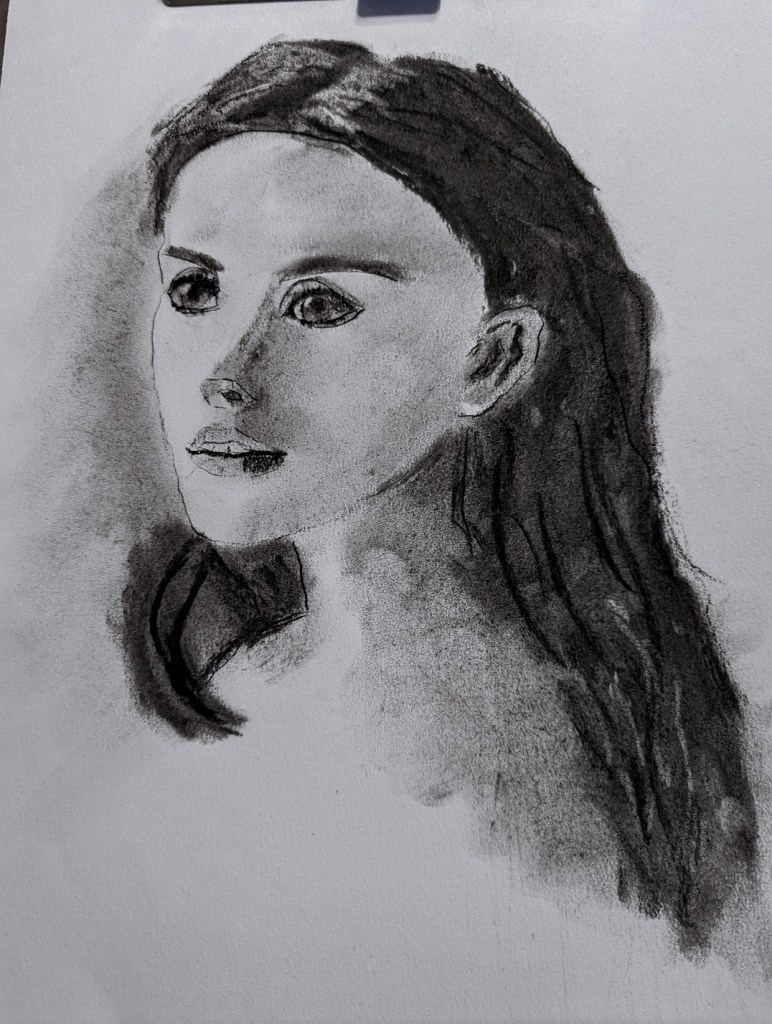
Lesson 1 of Charcoal Like Mad (by Kara Bullock) was to draw a portrait on cardboard (!) using the reference photo provided, and compressed charcoal (black and white), and charcoal pencils (black and white).
I only had corrugated cardboard available so I used that. Not crazy about the ridges, but hey, it was just play! This was fun — but I pressed too hard on the nose and busted a hole in the cardboard!
The main difference between this portrait and the one I posted a few days ago — besides the color of the paper and the lack of sticker residue — is that rather than using the white “charcoal” pencil, I used the eraser to lift the color for the highlights in the eyes, and the earring.
It’s been some time since I’ve posted to this blog, but I’ve been doing a fair amount of sketching by copying from illustrations in childhood favorite books, and from some of the example drawings in art instruction books by Barrington Barber. Something best kept in a sketchbook and not posted to social media.
Of course, like every other beginning artist who does some copying, I eventually got bored! So, now I’m back to charcoal (from graphite) and starting to work on more portraits. With the portrait below, I used charcoal pencils, willow sticks, compressed sticks, and white “charcoal”. I’m about to start taking the learn-at-your-own-pace online course Charcoal Like Mad taught by Kara Bullock.
That ugly outline of a rectangle crossing the eyebrow and nose on the image is actually from the gummy tag identifying the color of this Canson Mi-Teintes paper (cinnamon). Ugh! But the paper has sat in my closet for about 2 years now, and the closet is the warmest room in the house in summer, coldest in winter. Time to use the stuff up.
In the meantime, this is just a warm-up to get back in the flow, and playing with charcoal.
My work is based on a Pixabay image by Anastasia Gepp.
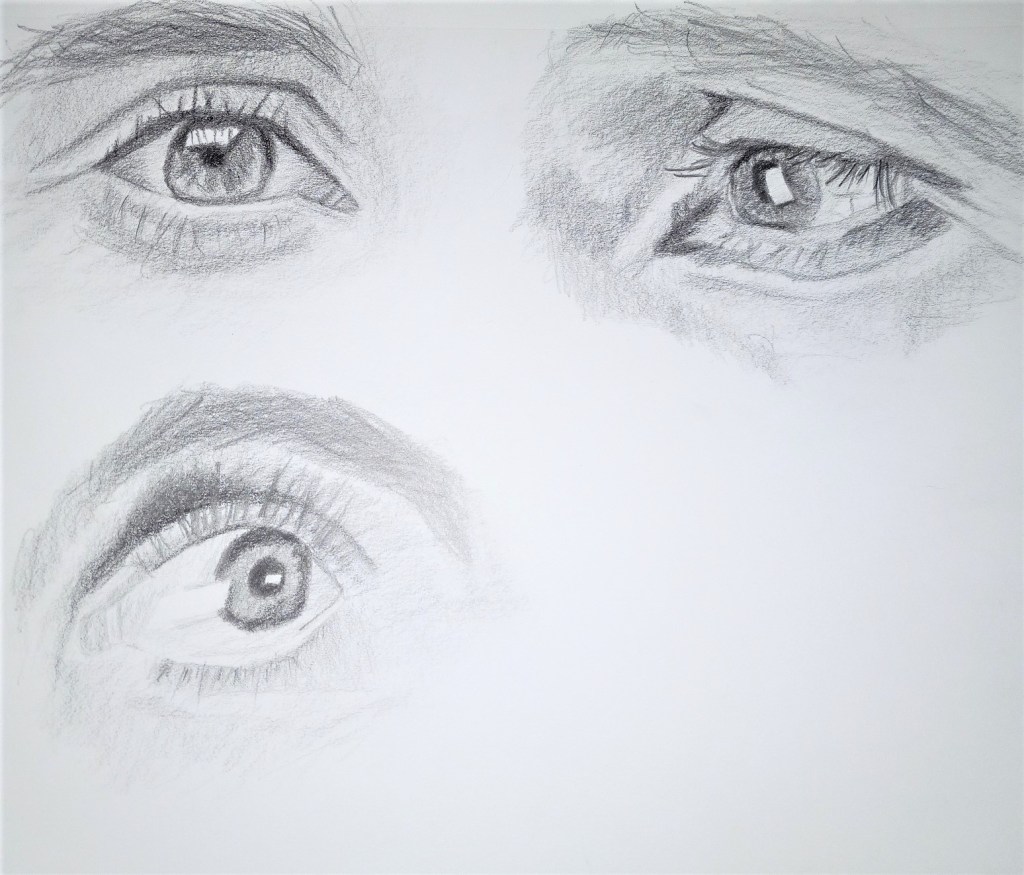
This is classwork for Week 2 of my DrawAwesome course. I used Staedtler Mars Lumograph Black pencils for all three of these drawings. (Reference photos from the class.) I am learning how to layer shading with the graphite.
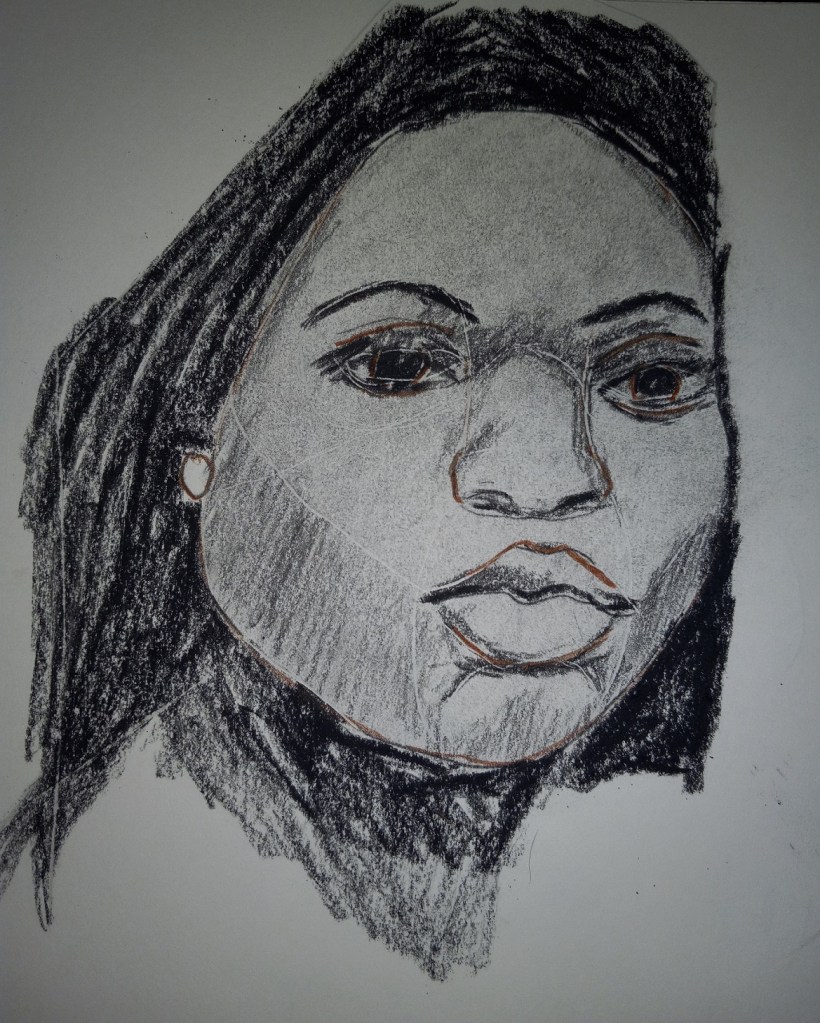
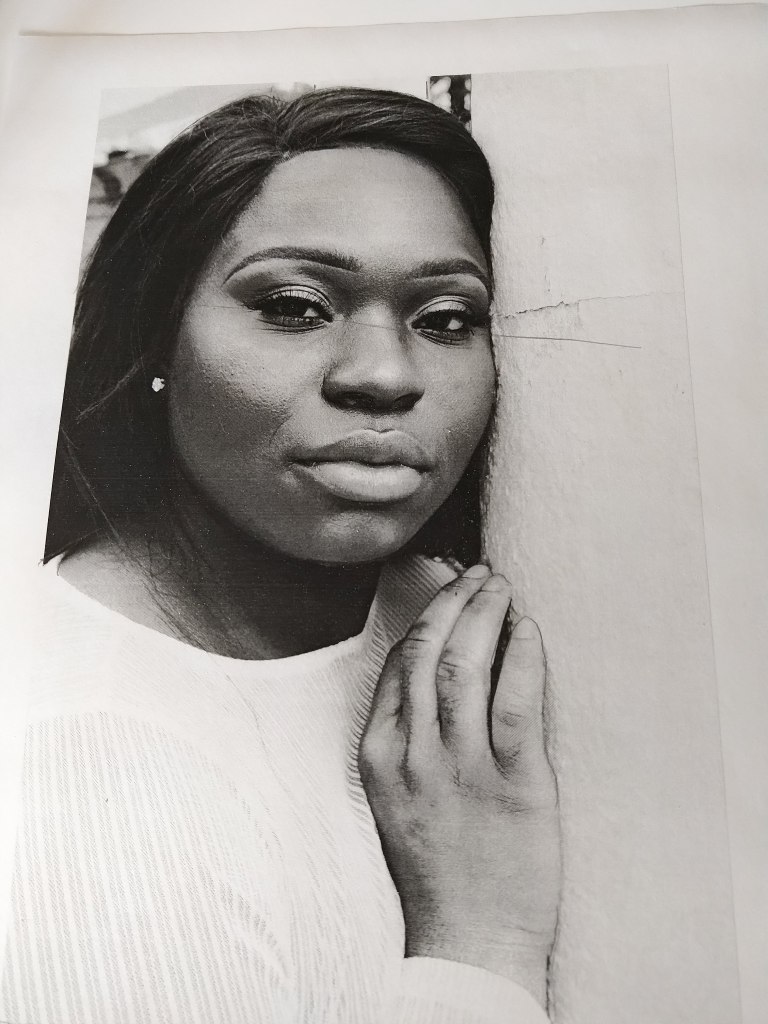
Here I was drawing free-hand against a traced copy of the reference photo (by Clarke Sanders on Unsplash). I merged the free-hand and the traced to see how far (or how close) I was to actual proportions. I added red pencil to the free-hand version so the lines would show up better in comparison.
While the face is relatively in the same proportions as the original, it’s substantially smaller all around. (Sigh.)
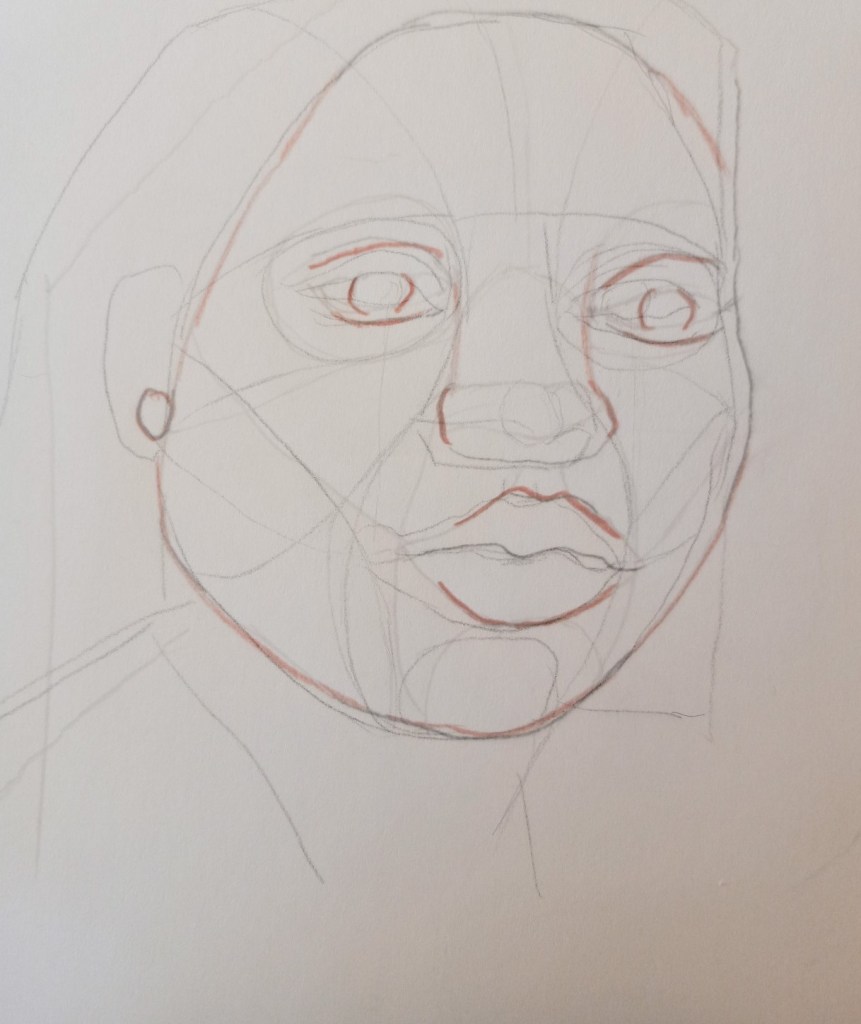
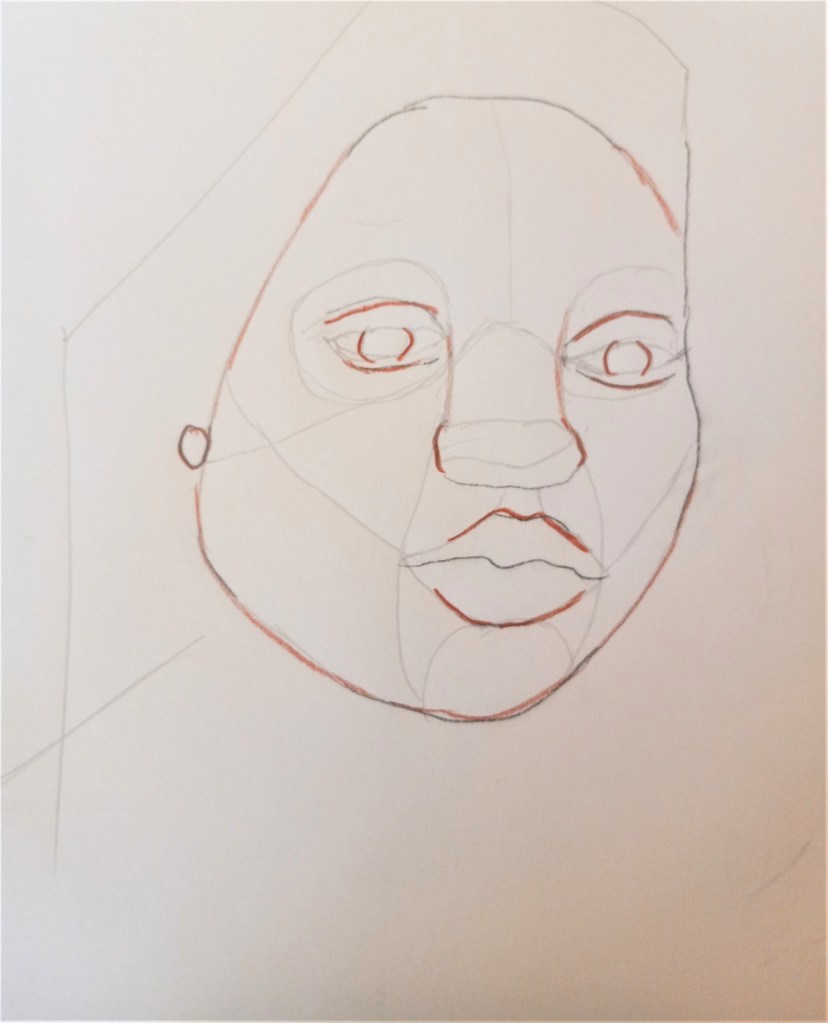
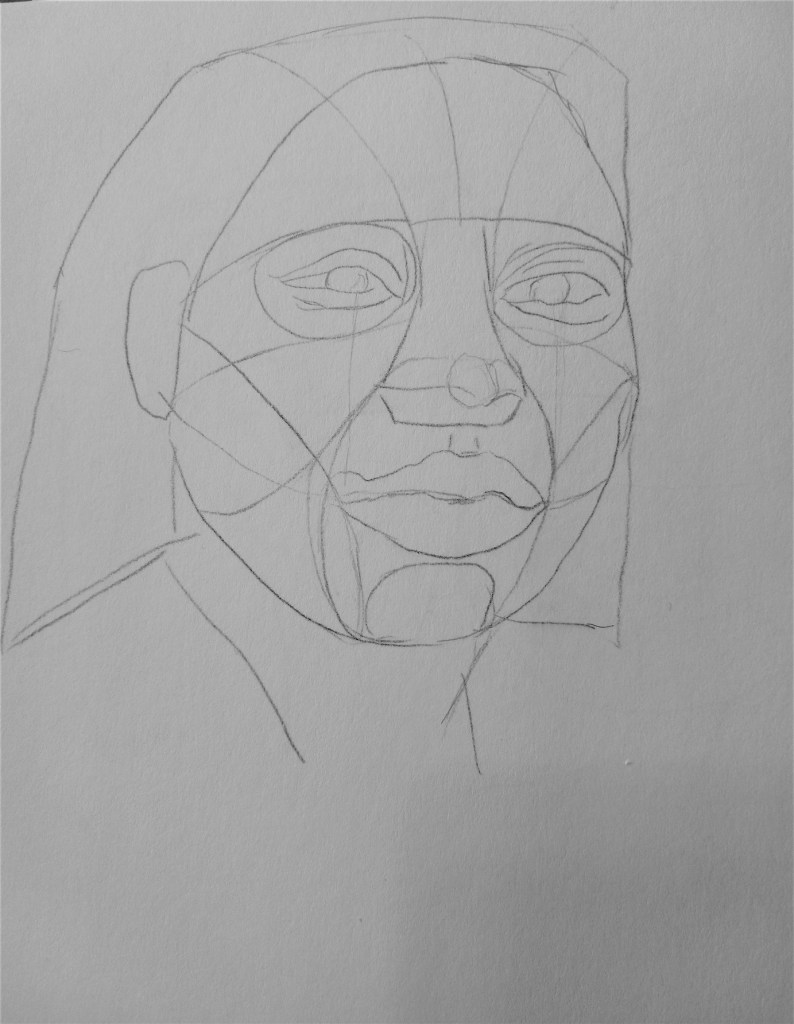
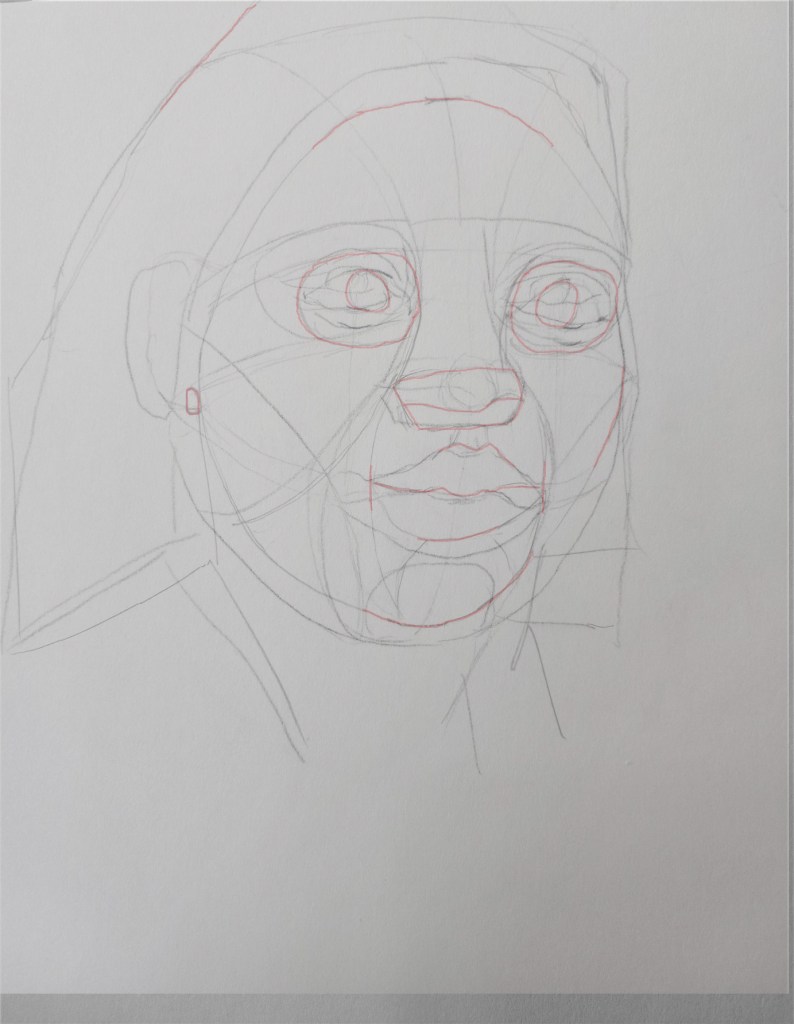
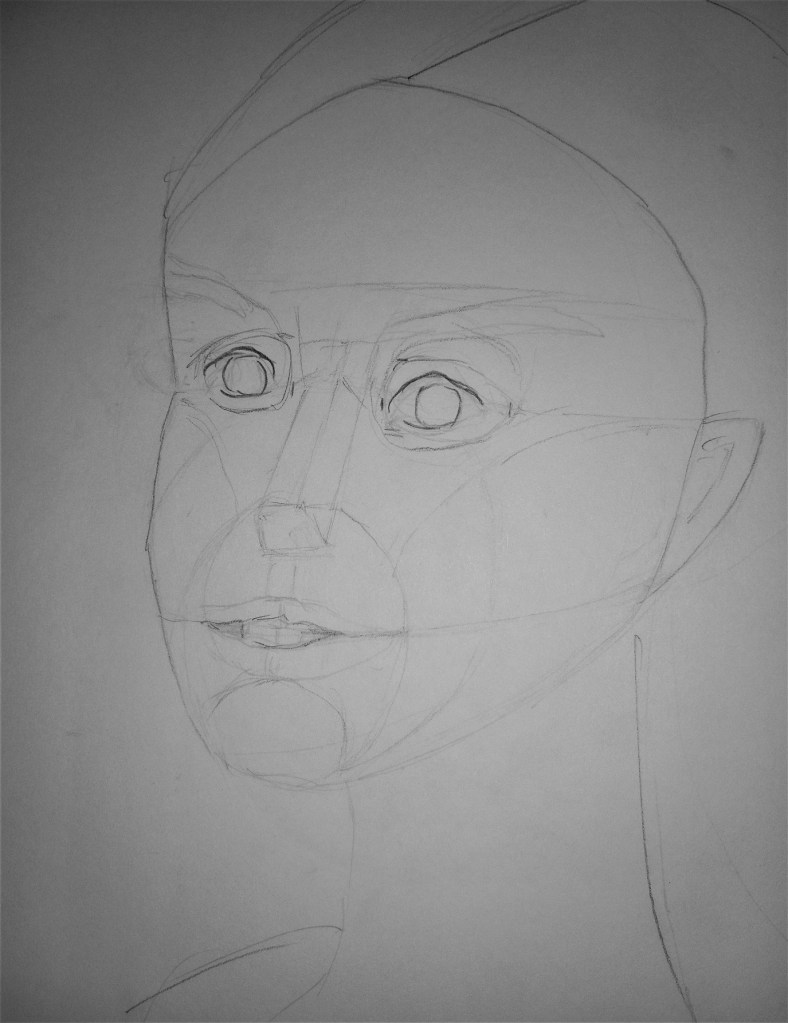
This is the first round — no detail, no shading — of a head based on the Reilly method, and as homework for the charcoal portraits online class I’m taking.






 BetterLateThanNeverArt