Working with Pastels and Charcoal

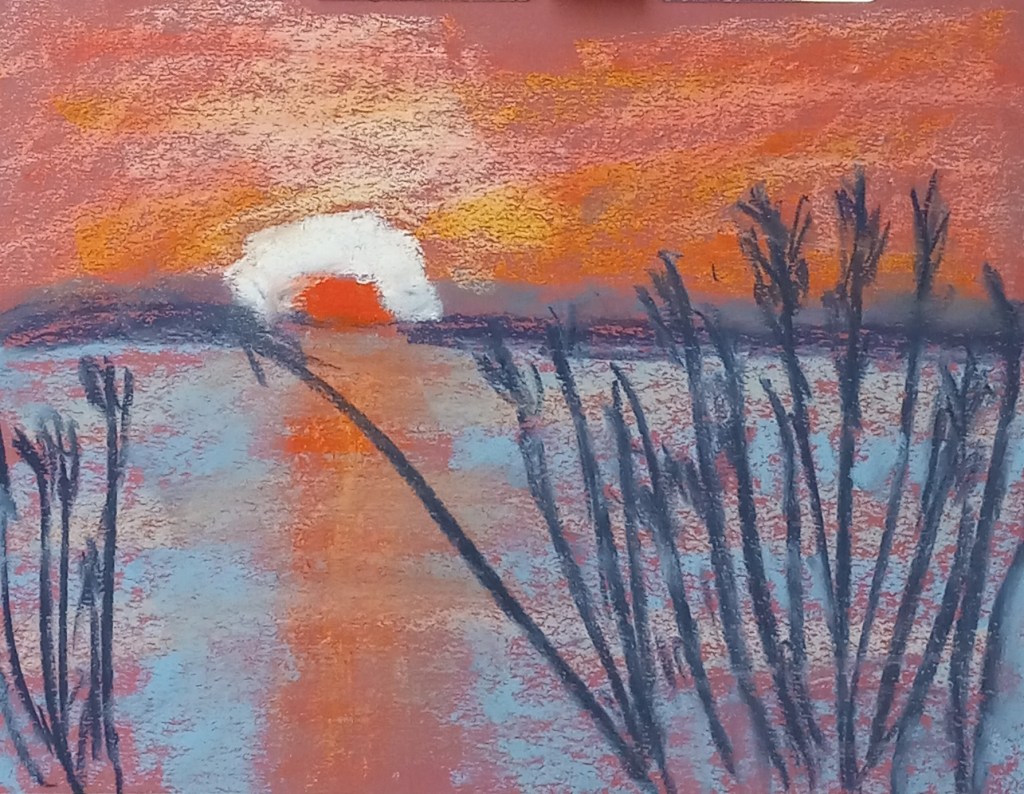
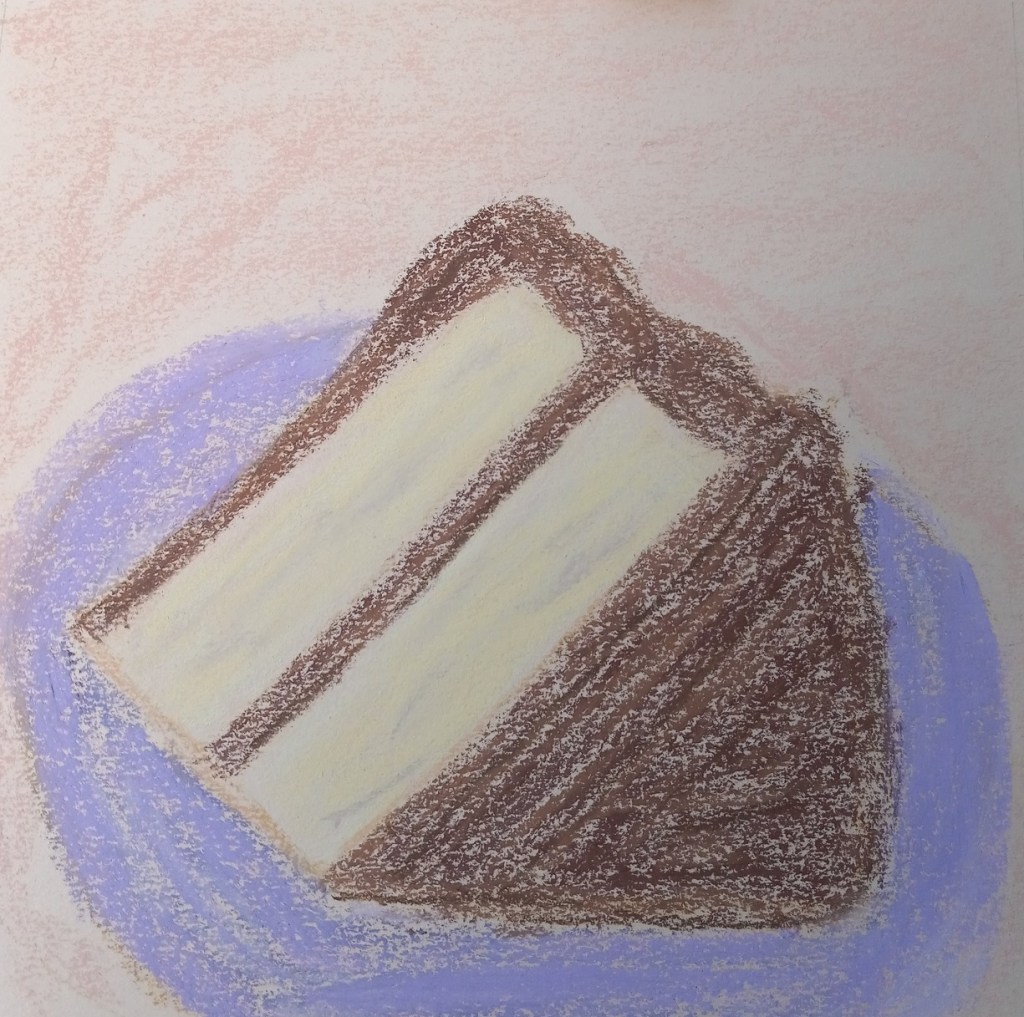
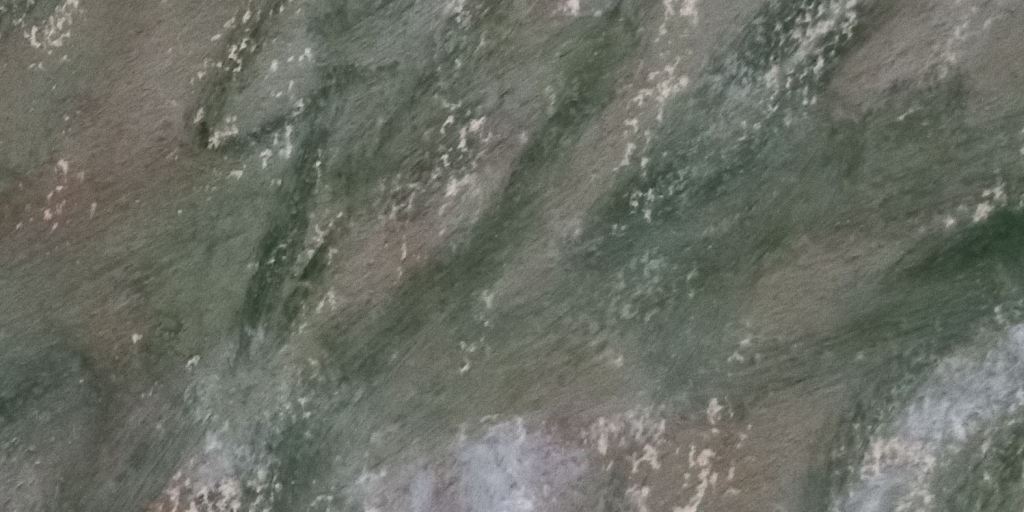
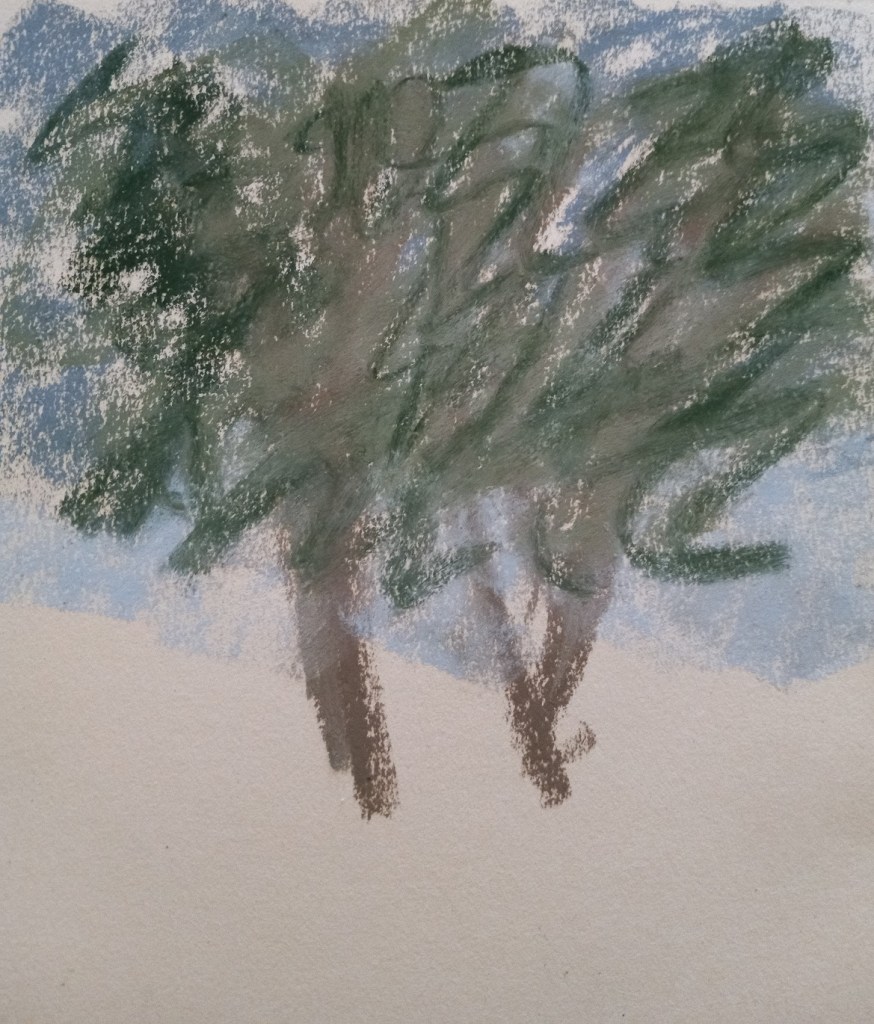
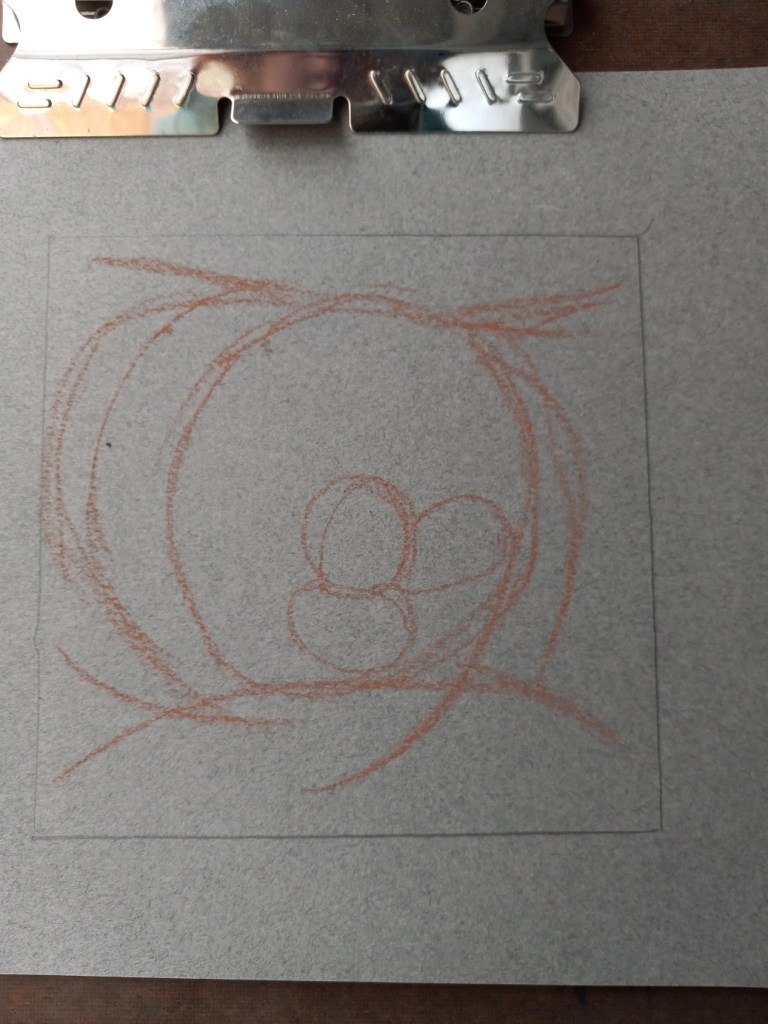
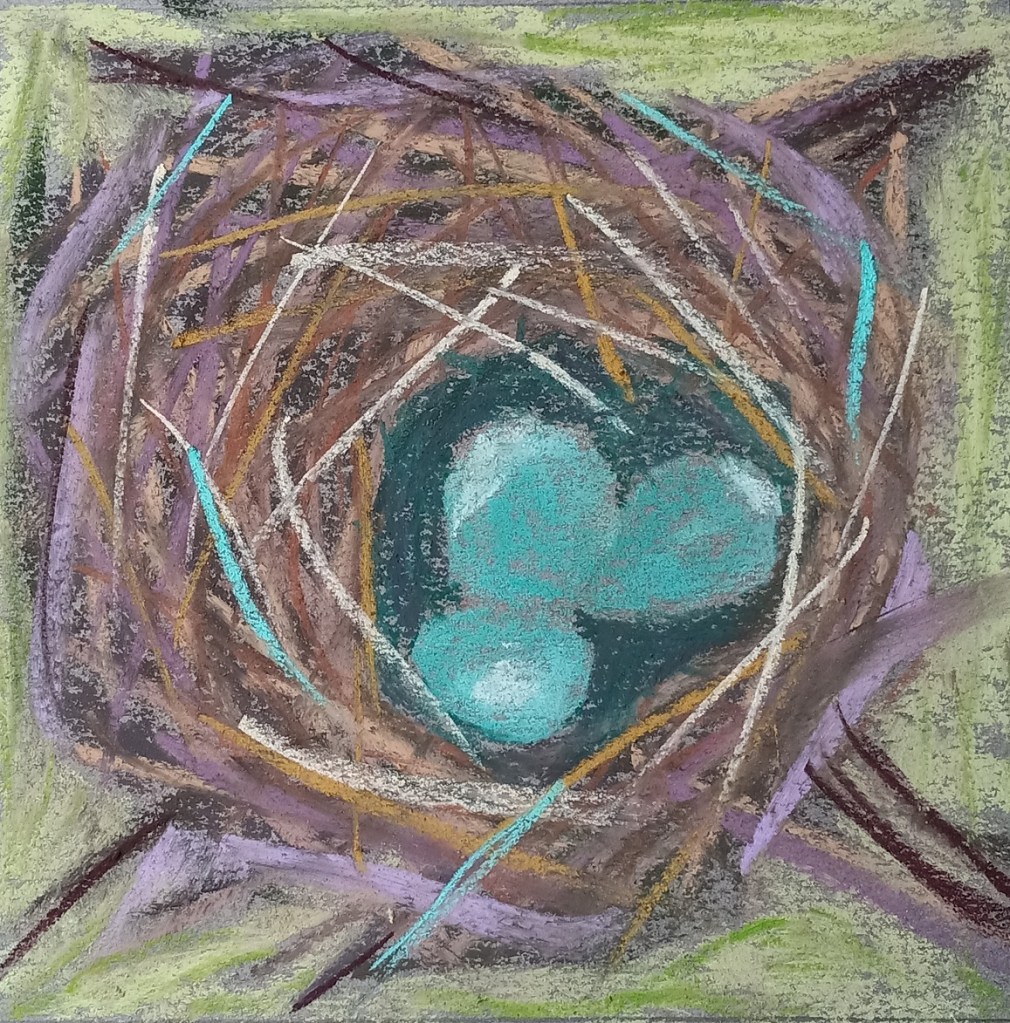
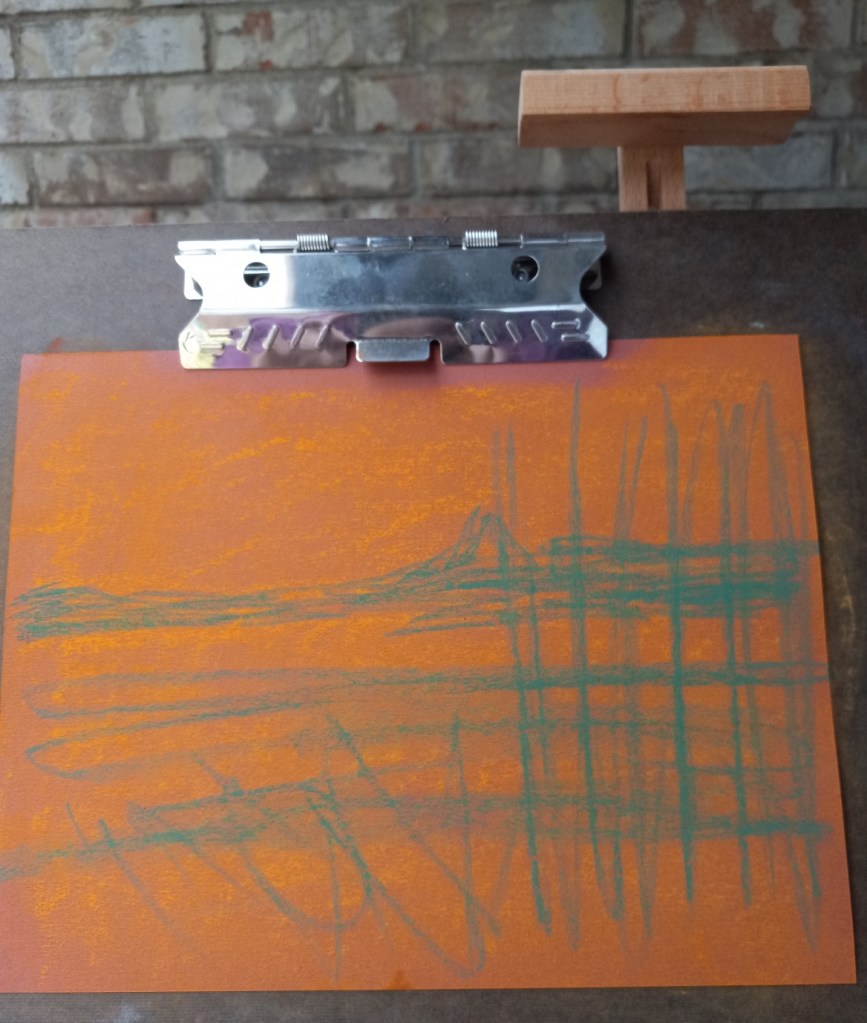
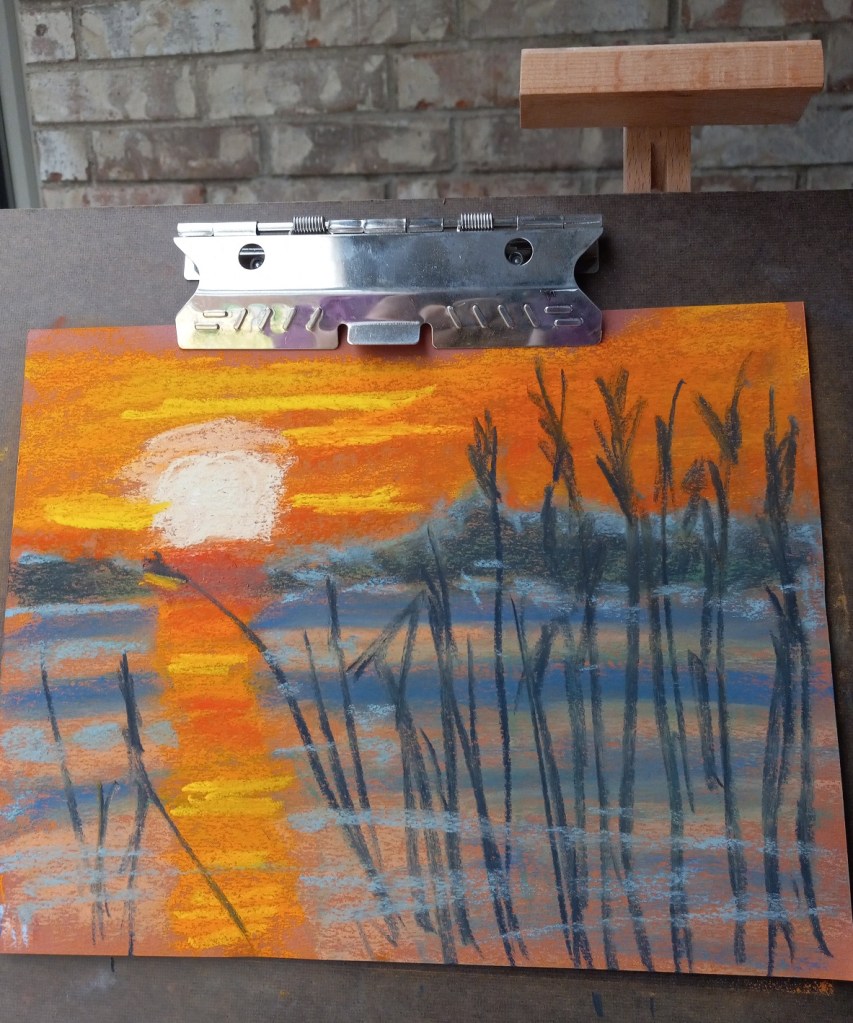
I’ve been taking Rebecca de Mondenca’s pastel classes on arttutor.com, and this is some of my initial work from her class “A Beginner’s Guide to Pastels”.

I find I don’t care for the pastel paper that has the honeycomb look, although it can hold more pastel layering, given the “tooth” of the paper.

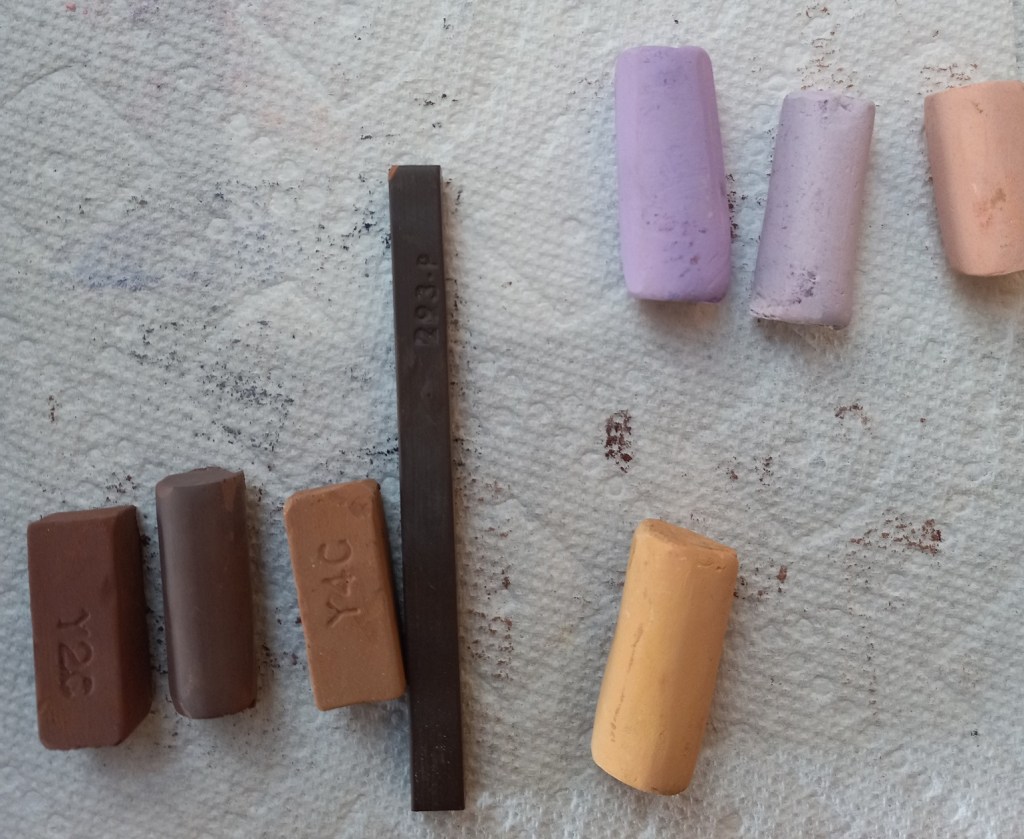
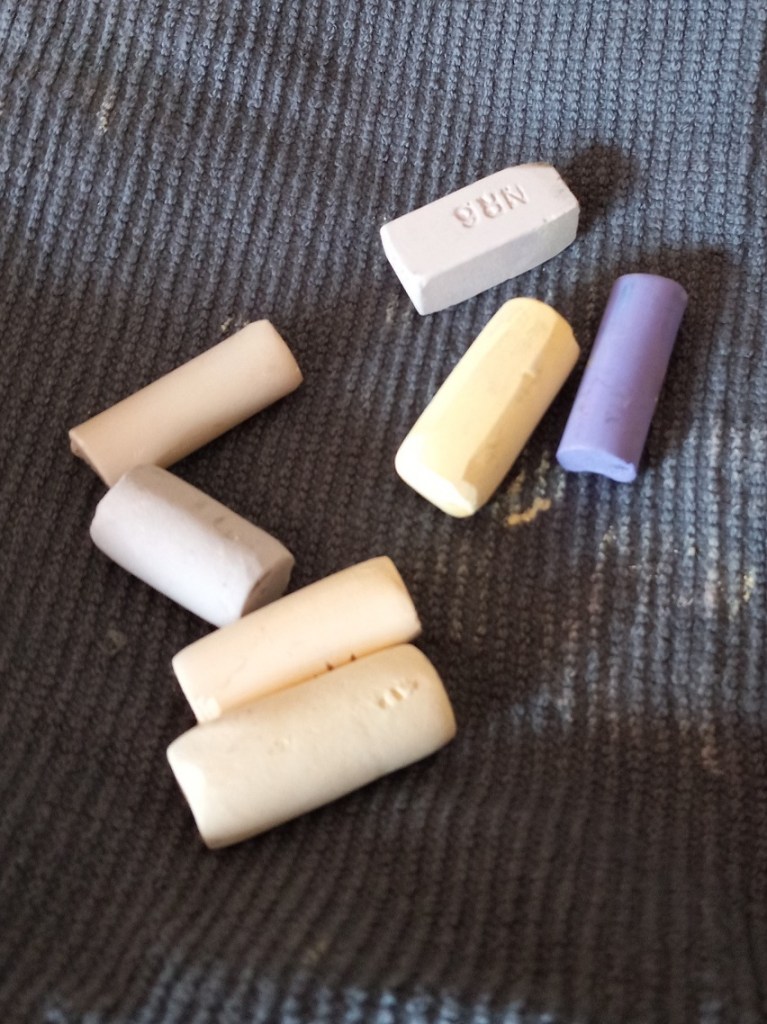
Most of these are from using the Dick Blick Artist’s Pastels (60 set), but the (finger) blended blues are Sennelier Landscape (30 set) pastels.

Mark Making in Charcoal

Now that I’ve completed “Drawing Essentials”, I am browsing through ArtTutor for more classes, and am interested in trying out charcoal. (I have memories of using charcoal pencils in grade-school art.) In any case, in this image, I tested out charcoal pencils (upper left), Comte pencils (upper right), vine charcoal (lower left) and compressed charcoal (lower right). The white –except for the Comte pencil example — is my General’s white “charcoal” pencil. The paper used is gray-toned Strathmore.

Some of my work from the “Drawing Essentials” class

So the first course I took on arttutor.com was Drawing Essentials, taught by Phil Davies. Excellent course; I loved it. And I think what I most liked about it was having the video and the ability to watch the expert do something and then it started clicking for me.. whereas reading in drawing fundamentals books doesn’t always translate to my beginner mind.

The above images came from reference drawings provided in the Drawing Essentials course. I had never drawn a horse before, nor had I come anywhere close to successfully drawing draped fabric, as with the towel above.

Foreshortened Hands: Sketches on a Picture Plane

These drawings are from an exercise found in Chapter 6 of Drawing on the Right Side of the Brain (4th ed.) by Betty Edwards. Essentially, you “copy” or “trace” your non-dominant hand (which is holding the plastic picture plane) using a dry-erasable marker. You are to include the major lines in your hand, including wrinkles.

The lines are fairly sloppy because the marker actually didn’t work that well on the plastic, and there’s a grey shadowy line along the drawn line, due to the overhead light being on when I took the photos of the drawings (which are now wiped clean off the plastic picture plane).

After a number of practice drawings, the next step of this exercise is to use the picture plane drawing as a model while you draw the pose on paper.