Quick Study: November Morning Sky

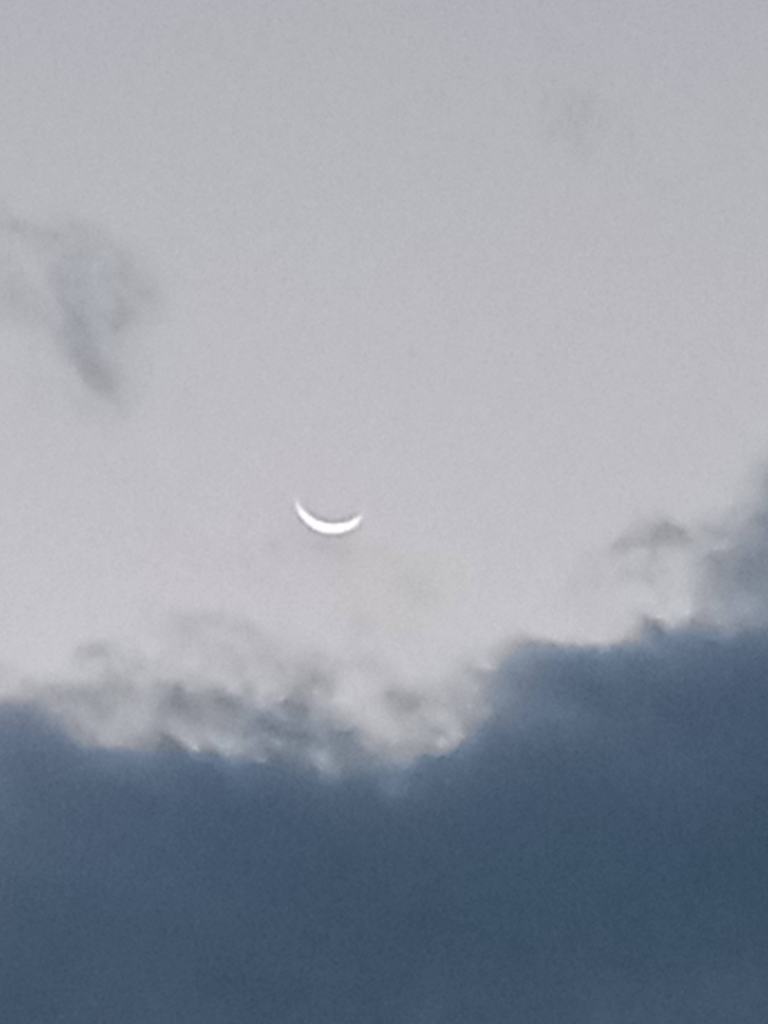
This painting was done in acrylic on a 4×6 piece of 300 lb. cold-pressed watercolor paper. It’s based off of a photo I took of the waning crescent Moon one morning back in November 2021.

I felt the original image of the sky was too gray and blue, so I changed it up at bit. The sky was painted with Liquitex BASICS blue gray; the pink is Cadmium Red Medium Hue from Golden, and the Moon is Titanium White mixed with Hansa Yellow Light (PY 73).

Black Labrador

This is my first animal “portrait”, based on an image by Nikki Luijpers from Pixabay.

I love black Labs! Never had one, but a roomie from 40 years ago had a black Lab named Emma, and I just loved that dog! BEST DOG EVER.

This quick study was done on 6×8 gessoboard, which I gessoed again to get rid of the smooth surface, and then painted over with Neutral Gray 5.

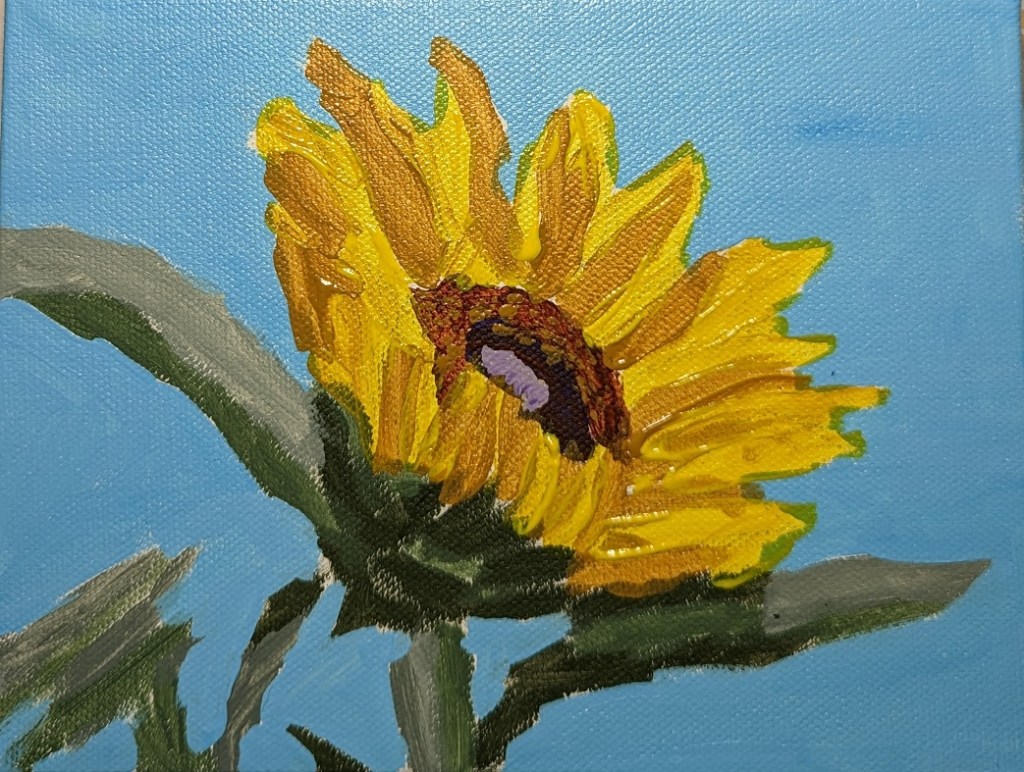
Sunflower #2: Complete

Here’s the finished sunflower.

I used Yellow Ochre for the shaded parts of the petals, and Liquitex Soft Body Yellow Azo Med (PY 74) for the brighter parts of the petals. The yellow is fairly transparent, so I deliberately wanted to leave brush marks to give some additional definition to the petals.

I may come back around and paint over the greenish areas where I overpainted the yellow on to the background. Then again, maybe not, as from afar it looks a bit like shadow. We’ll see.

Based on an image by Couleur from Pixabay

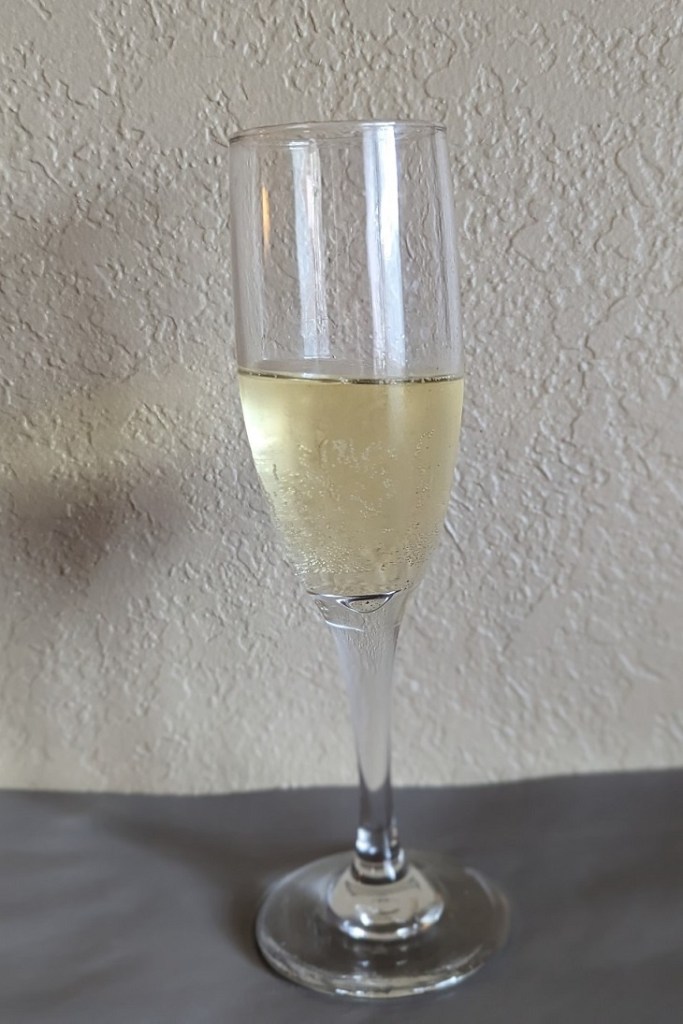
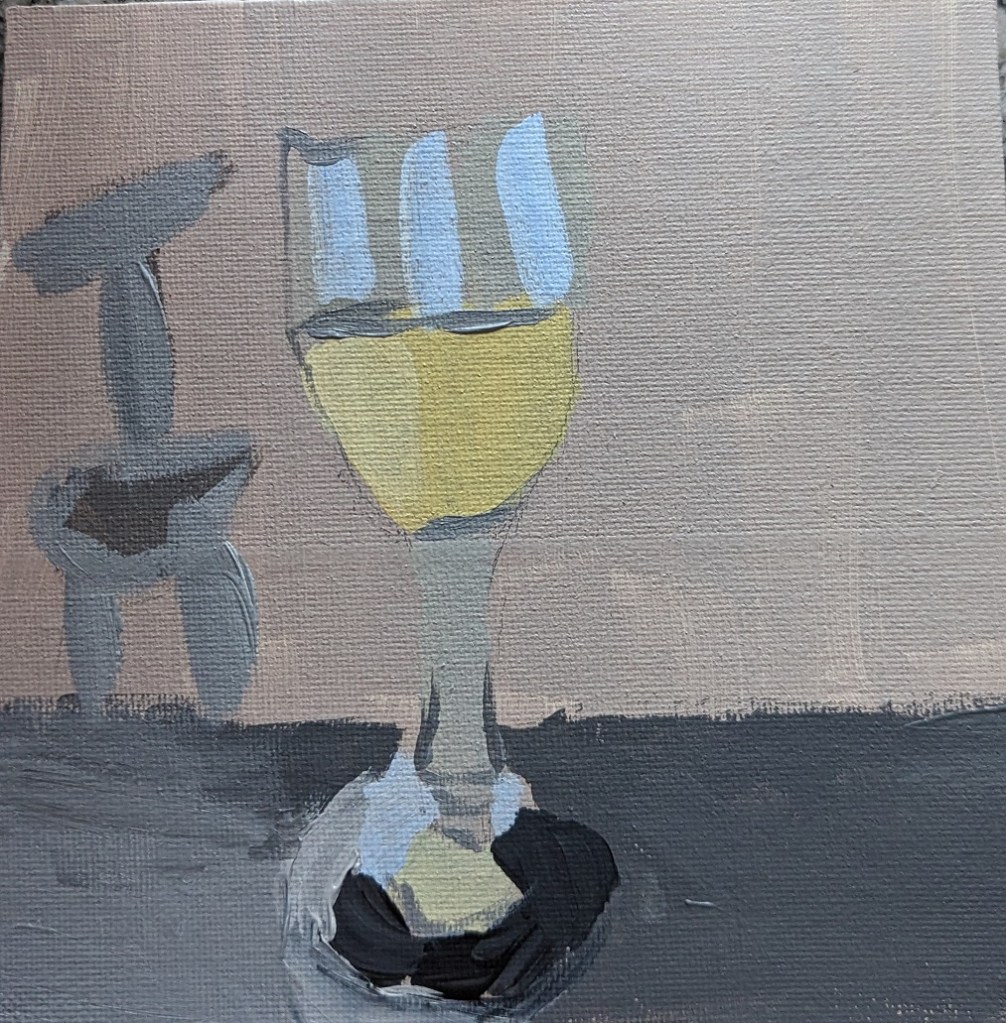
Glass of Wine

When professional artists and art teachers (in books and online — probably also in real life) say, yes, you’re going to do a lot of bad paintings, and just keep going…. well, this is one of those bad paintings, lol.

What I do like is that I got the yellow-white of the wine pretty good. The shadow, ugh, not so much.

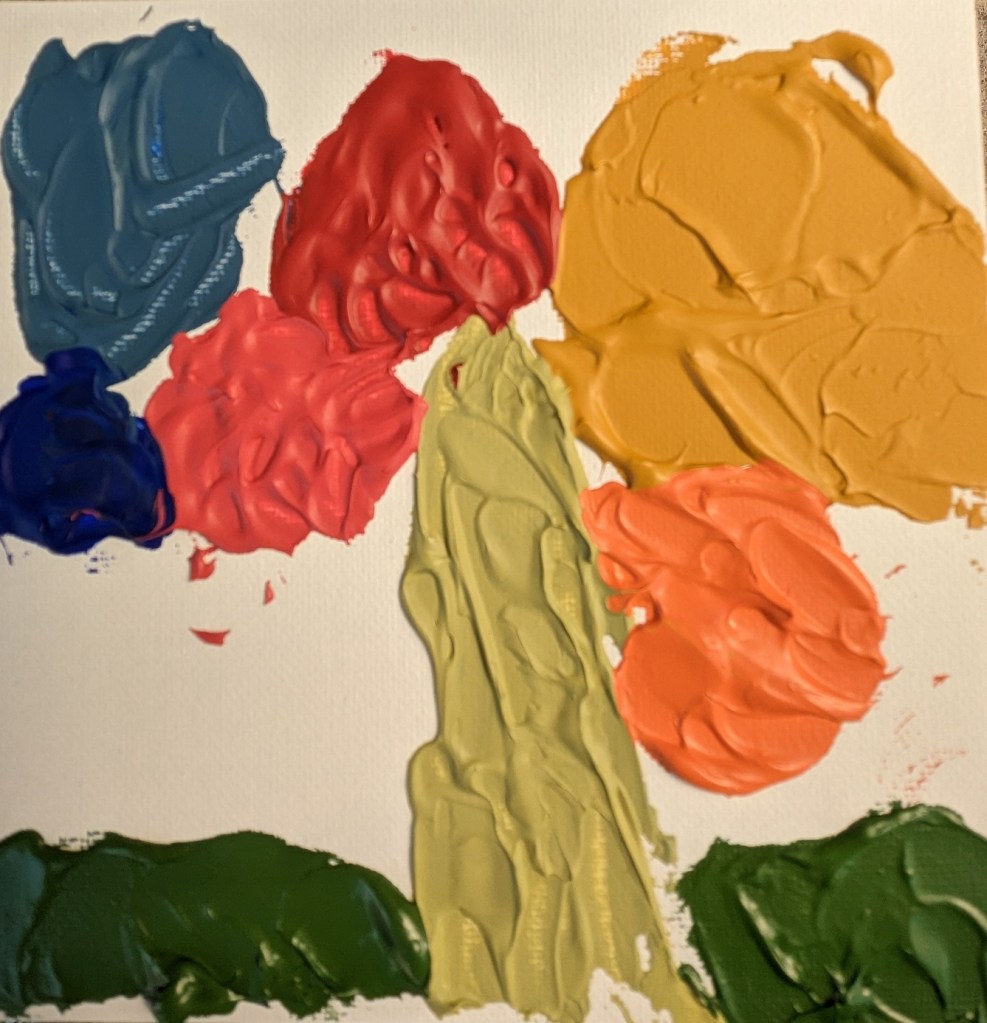
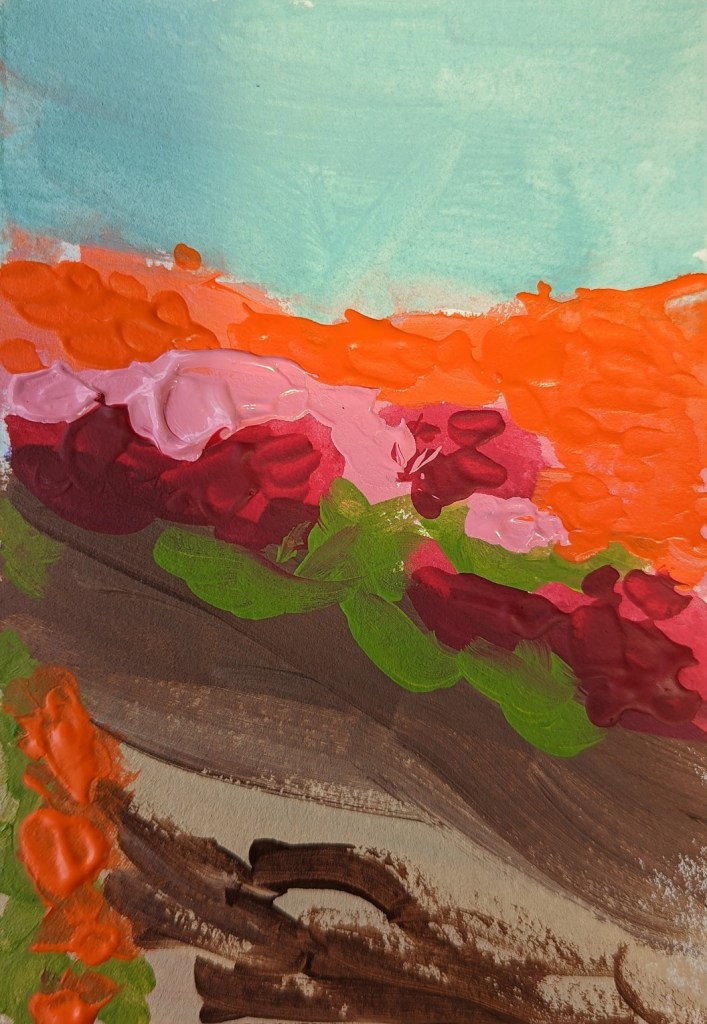
Playing with Palette Knives

I bought some LUKAS CRYL Pastos Heavy Body Artist Acrylics a while back, so I thought I’d try them out. To my surprise, they weren’t more heavy-body than Liquitex or Golden. The blue and yellow didn’t make a decent green; the red and yellow didn’t make a great orange (I had to add some Liquitex Cad-Free orange).

I tried out the different colors — except for black and white — on a 6×6 canvas panel. Further below, I did an abstract of azaleas on 4×6 watercolor paper.

Red Poppies: Adventures in Acrylic

The next-up item in the Marla Baggetta Adventures in Acrylic course was these red poppies. She suggested we use fluorescent orange spray paint for our background; instead, I used my perinone orange paint by Chroma Atelier Interactive, which I find wildly fluorescent!

Using the reference photo, I drew the poppies in pencil over the painted canvas, and then watched her video, closed up my laptop, and did my best from-memory version. At the very end, you use a white gel pen to outline as you see fit; here, I reviewed the image of her final work, and then just winged it.

This was fun!

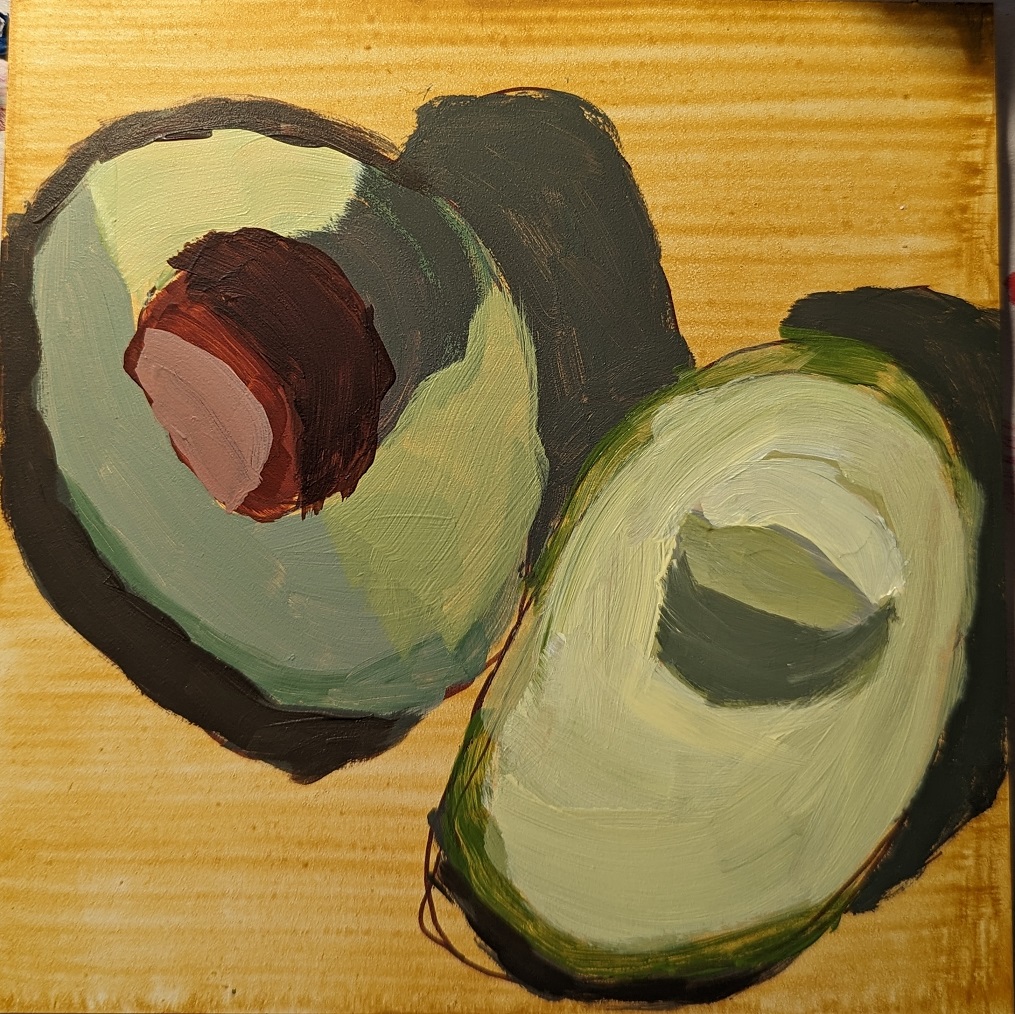
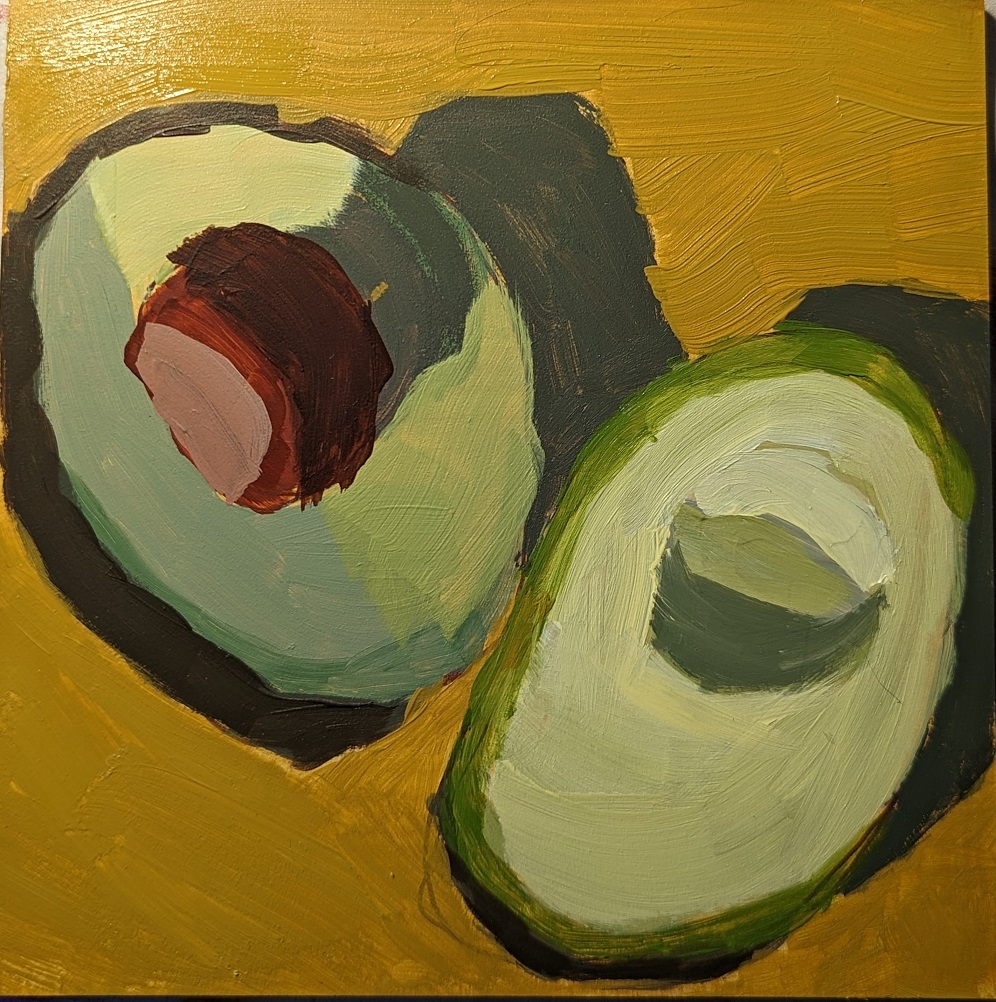
Avocado: From “Adventures in Acrylic”

Next-up in Marla Baggetta’s Adventures in Acrylic was painting an avocado. This was on a 6×6 Ampersand gessoboard. I watched her video then shut down my laptop, and just worked off the reference photo. Here are some in-progress photos.

I used a yellow ochre glaze, and then drew out the shapes with my Liquitex burnt umber paint marker. There are excessive striations with the yellow ochre because I was using the liquid/soft body version and then mixing it with water. (That’s a mistake!) The watering-down really only makes sense (to me) when using full-body paint.

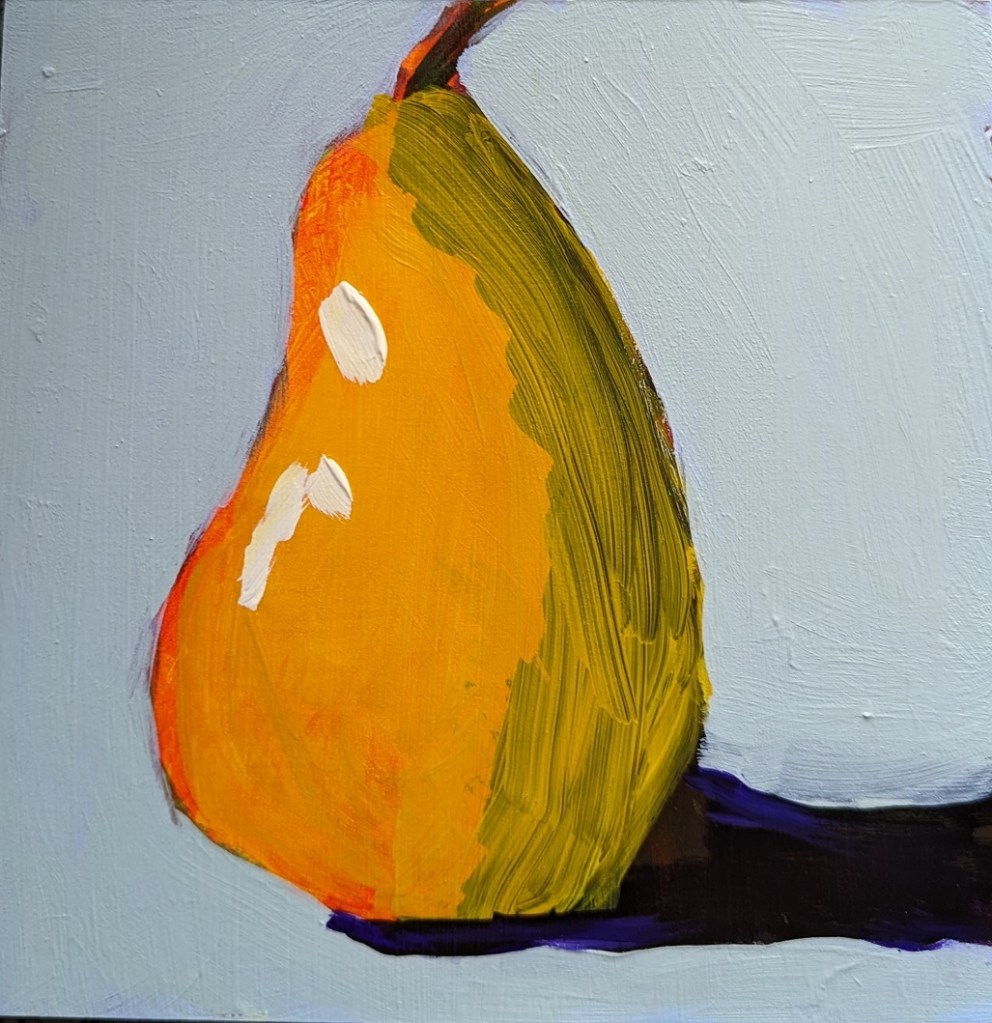
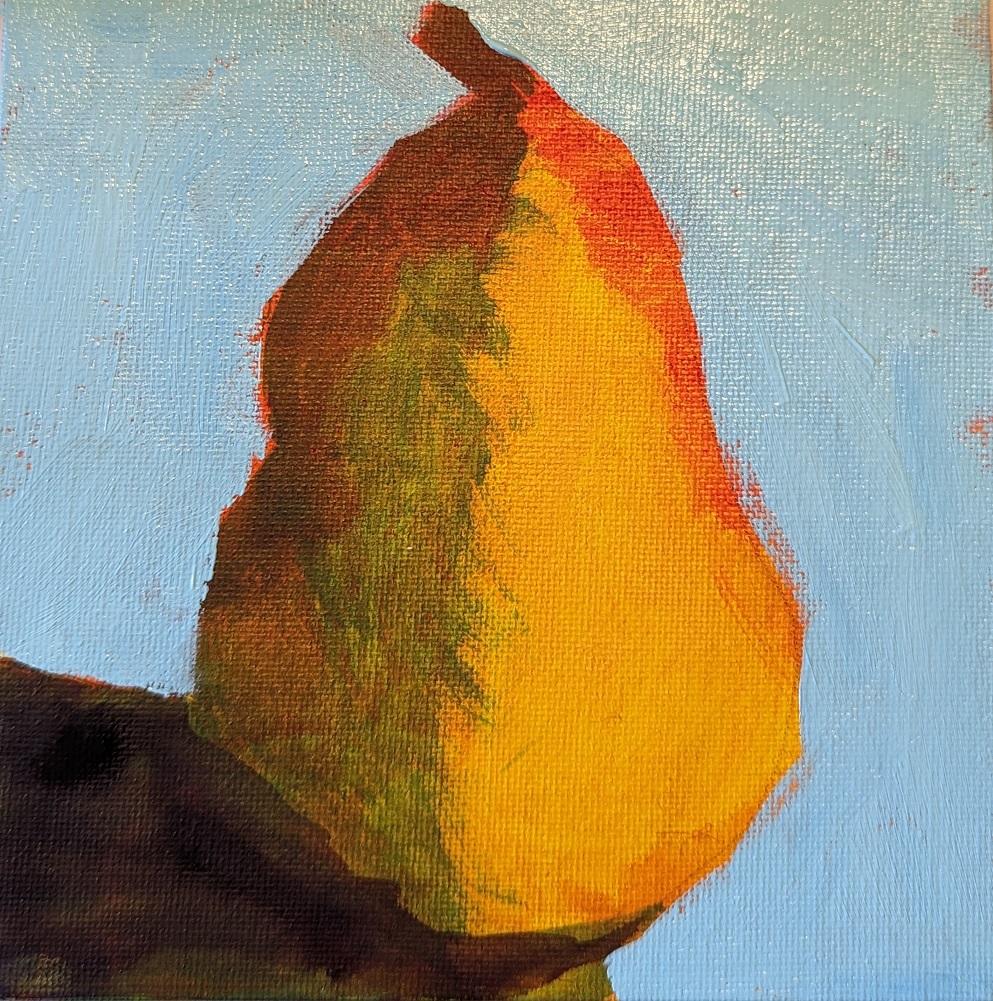
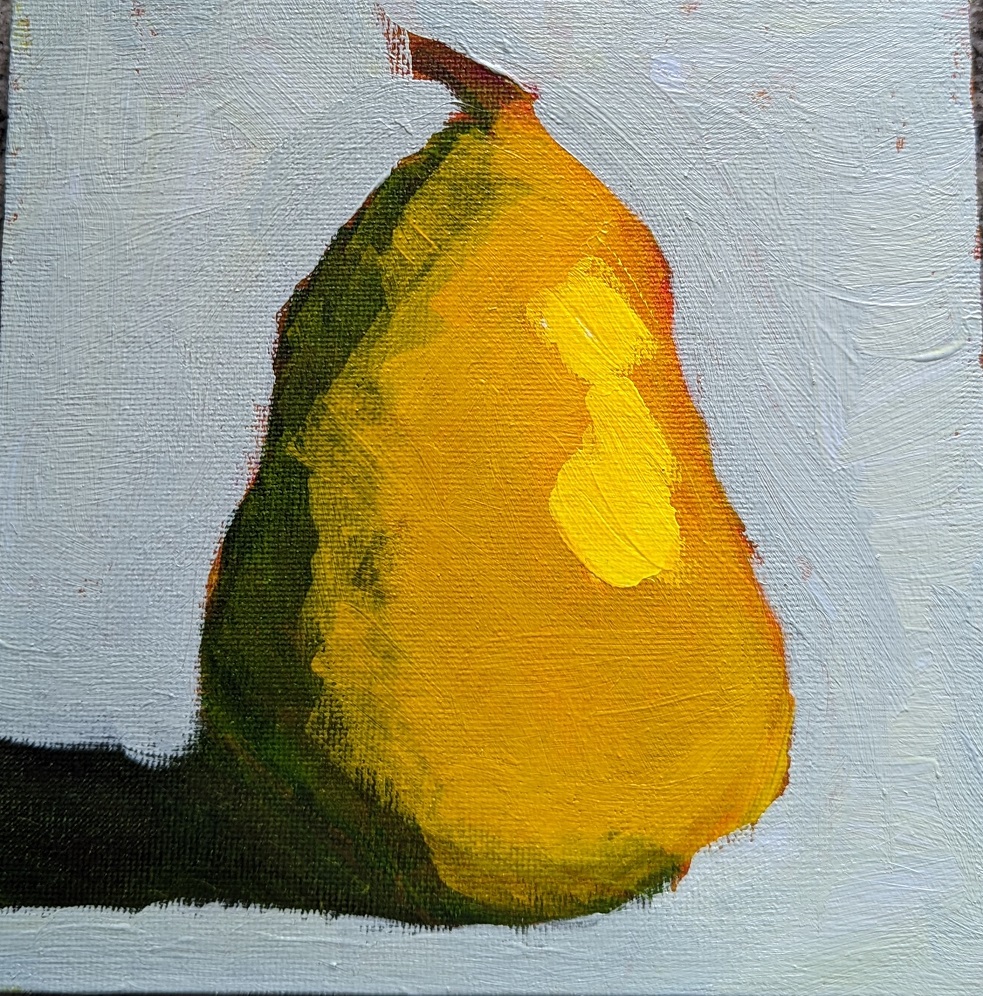
Glazed Pear: Round 3

This is the last pear I did — I’m sick of pears for the moment! — and this was done on slippy-slidey gessoboard. (I’m almost done with my stash of that stuff and am in no hurry to buy more.) In this one, I did the final yellow glaze only on the pear itself, and before I added the highlight.

Funny thing, after all this pear painting, I was at the grocery store today, and for the first time I really noticed all the pears in the produce section; each type has its own shape. I think of this shape as somewhat close to a “classic” pear, but that’s really the Bosc pear. Some are short and squat more like gourds or squash.

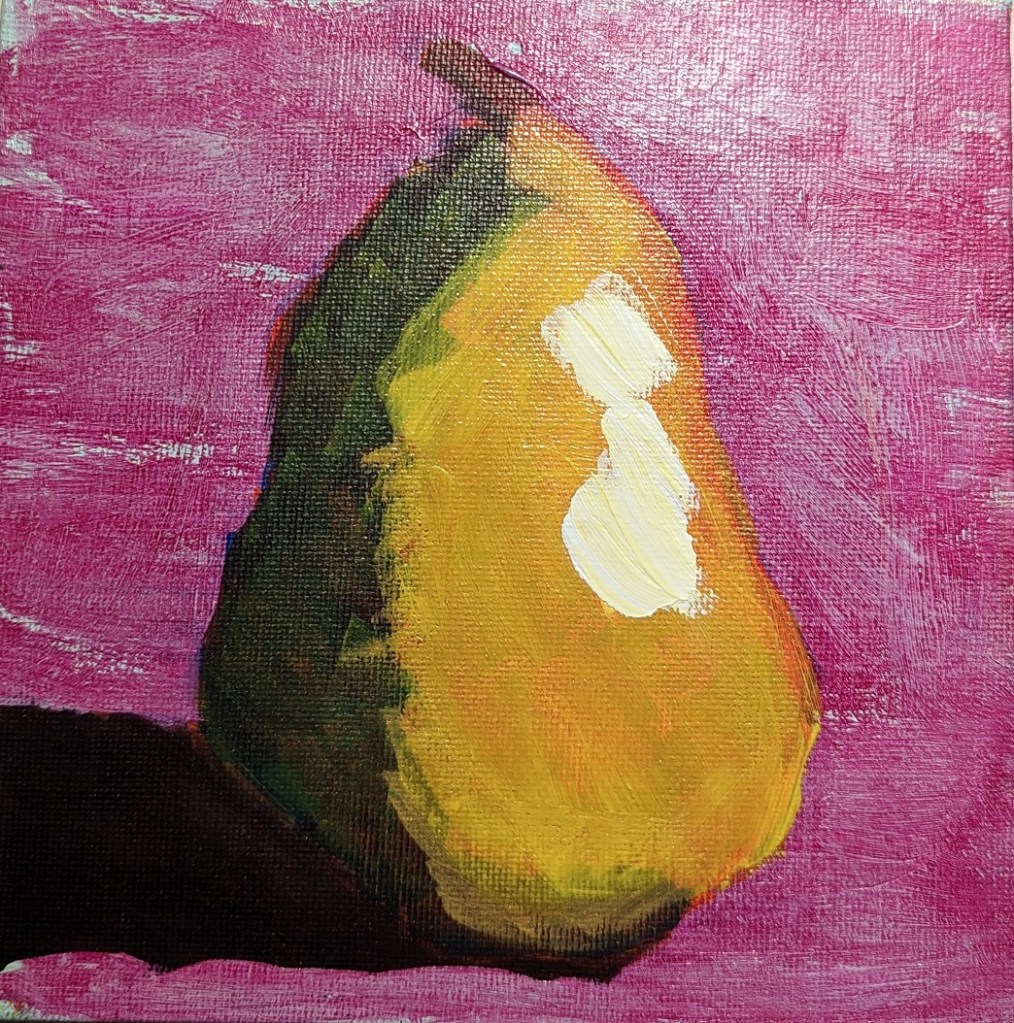
Glazed Pear: Round 2

This is work from the Marla Baggetta class I mentioned the other day. These pears were done after I watched the video provided, so they’re closer to how she did it, but not entirely. I took a series of in-progress photos; sometimes we’re glazing, sometimes we’re painting. The very bottom photo at the end is the final result; everything skews yellow because a yellow glaze was the last step.

I’m not entirely sold on the layering and layering of glazes; seems like a lot of extra work. It seems to me to make more sense when using pastels than when using acrylics,

This was done on an 8×8 canvas.